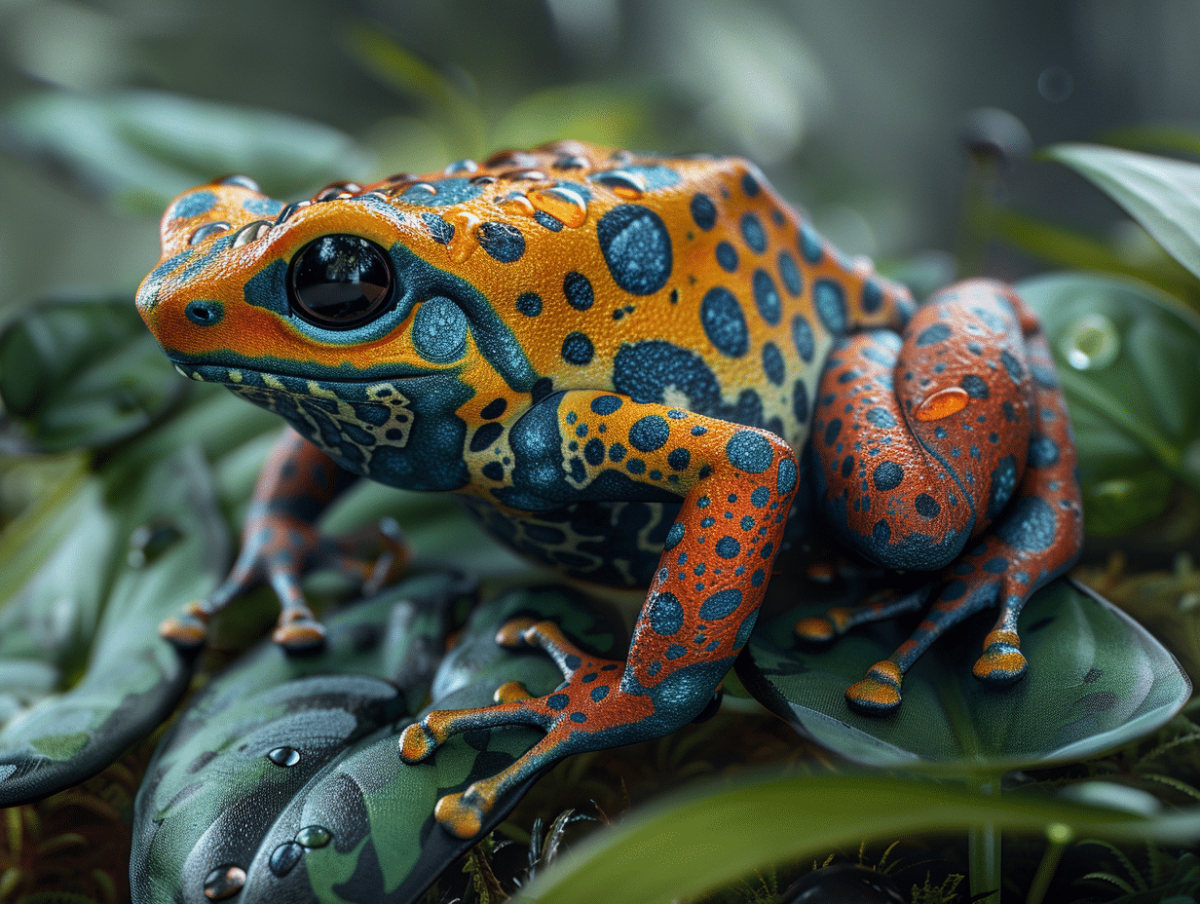
Exotic amphibians represent a fascinating group of biodiversity, but their survival is threatened by various factors, such as habitat destruction, climate change, diseases, and illegal trade. These rare species require specific care to thrive in captivity, including a carefully controlled habitat that mimics their natural environment, appropriate nutrition, and disease prevention measures. Breeders and zoological institutions must demonstrate vigilance and expertise to ensure the conservation of these vulnerable and often misunderstood species. This involves a deep understanding of their unique needs and ongoing research efforts.
Preservation and care of rare exotic amphibians
The preservation of exotic amphibians primarily involves creating and maintaining habitats conducive to their flourishing. These species, such as newts and frogs, require good quality water and are extremely sensitive to habitat fragmentation. Consider the example of the yellow-bellied toad, which is the subject of a conservation program attentive to these details. Caregivers must recreate conditions that not only simulate the natural environment but also contribute to the regulation of temperature and humidity, essential for the life cycle of these amphibians.
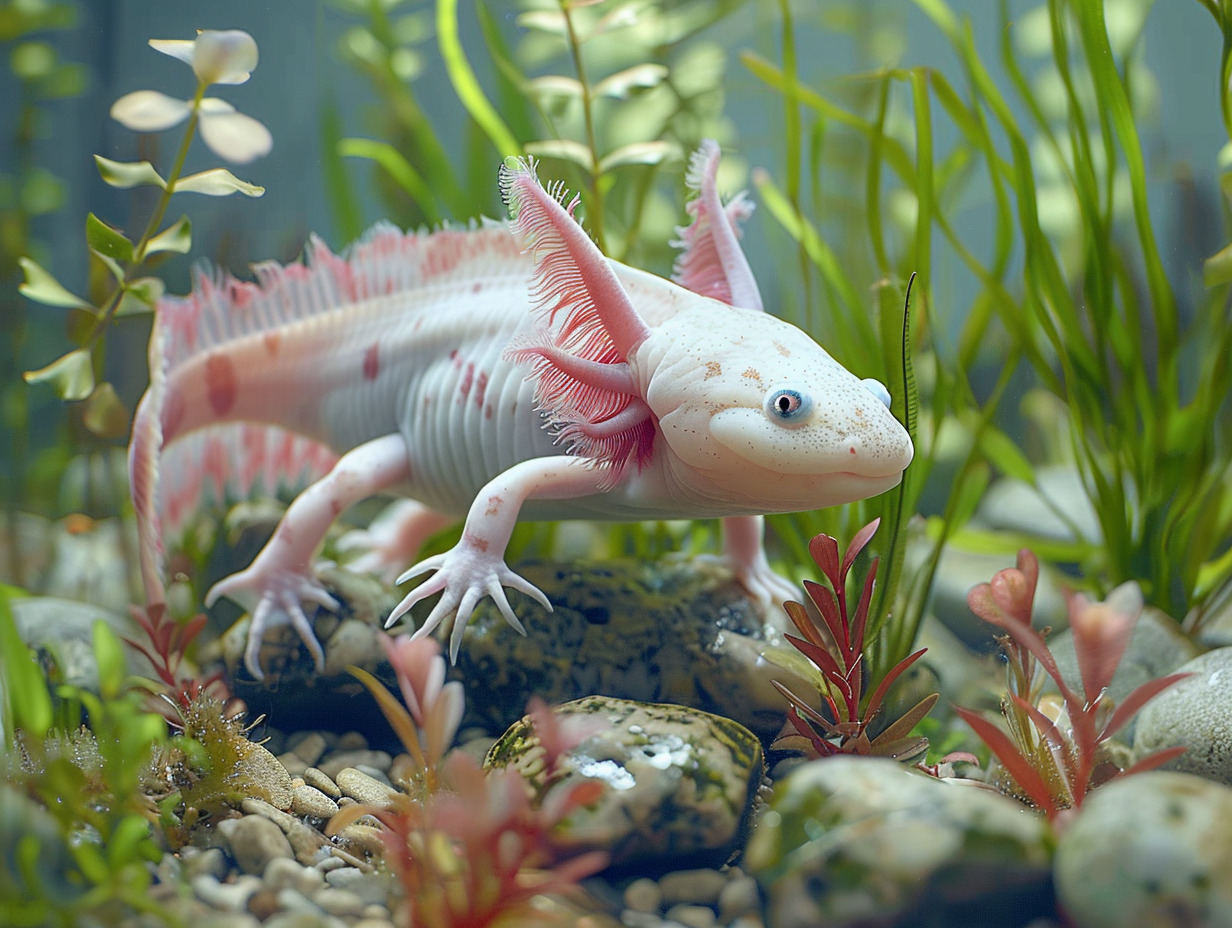
Species such as the Blue Axolotl, due to their rarity, highlight the urgency of these conservation efforts. Replicating natural conditions for these creatures is not enough; a proactive approach to their breeding in captivity is necessary to support threatened populations from extinction. The causes of their decline are multiple and include diseases, often exacerbated by international trade in exotic species, as well as the pernicious influence of climate change on their natural habitats.
Collaboration between zoological institutions and international conservation programs remains fundamental. Follow the recommendations of the IUCN and engage in knowledge and resource sharing to ensure the long-term survival of these species. Consider the sensitivity of these amphibians to environmental changes and diseases, and act accordingly to adapt care and preservation practices. The conservation of rare exotic amphibians is a complex challenge that requires sustained attention and unwavering commitment from biodiversity protectors.
Conservation issues and impact on biodiversity
Biodiversity, this complex mosaic of interdependent species, finds in amphibians one of its most fragile links. France, rich in herpetological diversity, hosts 35 species of amphibians, including the Raucous Frog and the Spotted Pelodyte. In Normandy, 18 species have been recorded, illustrating the regional richness. However, these figures hide a concerning reality: the Office for Biodiversity and Environment in Normandy (OBHEN) defines 29% of species in this region as fairly rare to very rare, signaling the urgency for targeted conservation actions.
Amphibians, as indicators of environmental quality, reveal the health status of our ecosystems. Their decline is symptomatic of habitat degradation, often due to pollution, destruction of wetlands, or the introduction of invasive exotic species. The Yellow-bellied Toad, extremely rare, embodies this vulnerability; certain species like the Green Tree Frog and the Agile Frog are experiencing an expansion of their range, reflecting ongoing environmental changes.
The impact of conservation on biodiversity takes shape in the efforts made to reverse the alarming decline of amphibian populations. According to data from the Amphibian Population Monitoring Program (POP Amphibiens), 21% of these populations have disappeared in Normandy over the past ten years. The Common Spadefoot, likely completely extinct in the region, serves as a grim reminder of the consequences of inaction.
In the face of these challenges, the framework of the LIFE CROAA project, led by the Conservatory of Natural Spaces and supported by the French Office for Biodiversity (OFB), proposes concrete actions. This project aims to combat the establishment and spread of invasive exotic species, such as the Bullfrog and the African Clawed Frog, through the restoration of natural habitats and public awareness. Recognize the importance of these initiatives to preserve our natural heritage and ensure that the conservation of amphibians remains a priority on the environmental agenda.