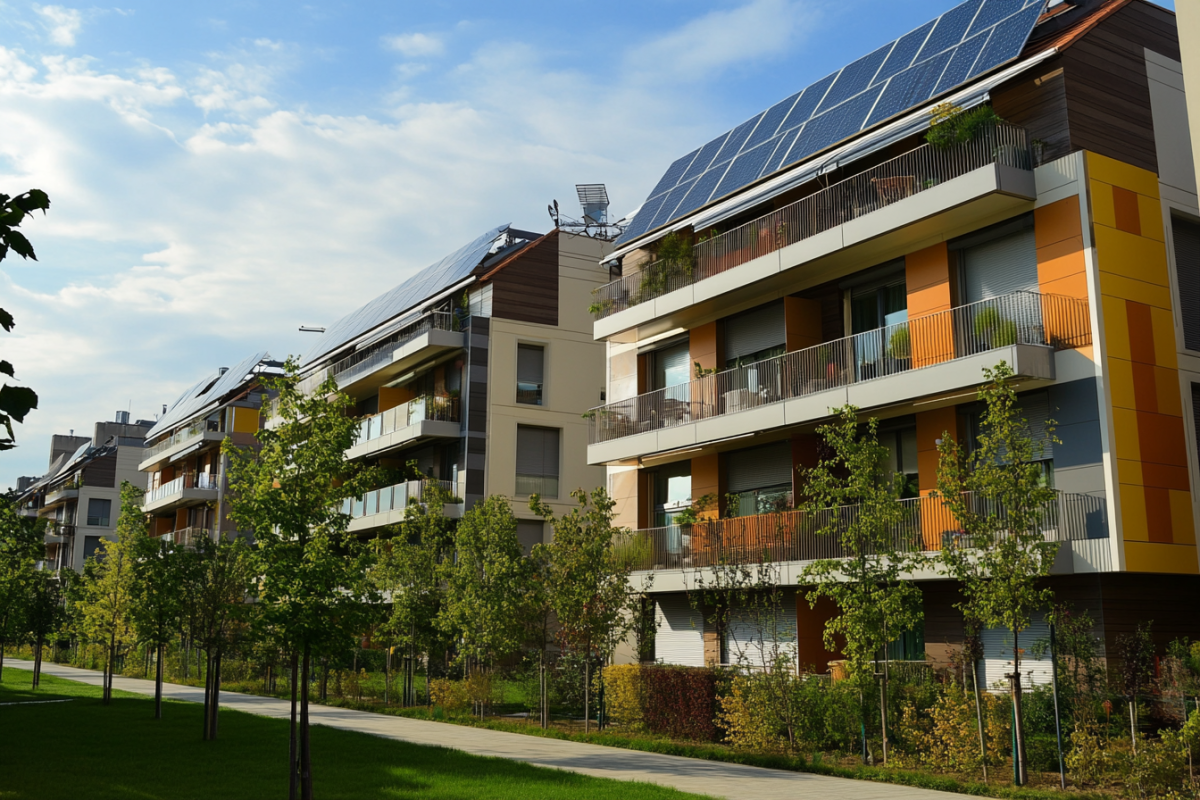
The growth curve of solar installations shows no signs of slowing down. Numbers are soaring, rooftops are covered in shiny blue, and solar energy is becoming part of everyday life, well beyond the circle of environmental activists. Long relegated to the status of expensive gadgets, solar panels have reversed the trend. Today, this technology is firmly rooted in reality, at the intersection of ecological challenges and economic strategies. Whether you are an individual, a business, or a community, solar energy is becoming an obvious choice for those aiming for a future less dependent on fossil fuels.
How Solar Panels Work and Technical Advances: The Mechanics Behind a Solar Panel
To grasp the significance of solar panels, one must understand the simple and ingenious mechanism that underpins their operation. It all relies on the photovoltaic effect, a discovery from the 19th century that has been continuously refined since.
Each panel gathers a multitude of cells, most often made of silicon. When sunlight hits these cells, photons set electrons in motion, creating a direct current. An inverter then takes care of the transformation: it converts this direct current into alternating current, compatible with domestic or industrial uses. Recent advances in energy efficiency have truly changed the game. Today’s panels produce more electricity from the same surface area, at a more affordable cost than ten years ago.
Integration possibilities continue to expand. Traditional rooftops, solar tiles, photovoltaic glazing: there are now solutions that optimize the use of every square meter without sacrificing the aesthetics of buildings.
Solar Panels: Concrete Impacts on the Environment and Wallet
The adoption of solar energy is no longer just a militant gesture. The benefits, both environmental and economic, tip the scales for a growing number of users. Here’s what it concretely changes:
- Reduction in CO2 emissions: Solar energy releases no greenhouse gases during its production. It is a direct response to climate pressure.
- Lower bills: Producing your own electricity means reducing expenses, sometimes even selling surplus back to the grid. Some households have seen their energy budget cut in half in just a few years.
- Less energy dependence: Equipping oneself with solar power means partially freeing oneself from the price fluctuations imposed by traditional suppliers, leading to greater autonomy.
- Asset for property value: A house equipped with solar panels attracts attention in the real estate market. Buyers see it as an investment for the future, and the properties stand out significantly.
Obstacles and Shadows to Address
Not everything is rosy under the photovoltaic sun. Despite notable advances, barriers remain and raise questions: how far can solar energy go?
The weather remains an unpredictable factor. A cloudy sky or a poorly sunlit area inevitably reduces production. The initial cost, even though it is decreasing, still deters many, despite the increasing availability of aid or financing schemes each year. Another rising issue is the management of panels at the end of their life. Recycling is progressing, but care must be taken to ensure that the solution does not become tomorrow’s problem. Finally, location plays a decisive role. A region with little sun exposure will not offer the same profitability as a southern department.
What Will Solar Energy Look Like in Ten Years?
Against the backdrop of a global energy transition, the future of solar panels promises to be rich in innovations and challenges. Several avenues suggest a major upheaval:
- Expected revolutions in nanotechnology will increase the efficiency of cells, making each panel more effective.
- The next generations of storage batteries, equipped with increased capacity, could eliminate the unpredictability of intermittent production.
- Manufacturing is becoming less costly, while public policies increasingly focus on renewable energies. The result: adoption is set to accelerate.
- Research, always active, is multiplying discoveries. Cells based on perovskites, for example, pave the way for unprecedented performance in this sector.
Solar energy is no longer just illuminating rooftops: it is redefining how we produce and consume electricity. As technology advances rapidly and collective commitment strengthens, the trajectory of solar panels inspires a new energy. On the cutting edge of innovation, sunlight could very well become the primary ally of a planet in search of balance.