
Sport fishing encompasses disciplines with very different material and regulatory requirements. Between freshwater lure fishing, targeting bluefin tuna in the Mediterranean, and fly fishing in rivers, the expenses, legal constraints, and technical choices only partially overlap. Comparing these parameters allows for targeting the right investment according to one’s practice.
Omnidirectional sonar and sea catches: how fishing electronics change the game
A recent debate focuses on the impact of onboard technologies in recreational sea fishing. Figaro Nautisme reported on a study indicating a significant increase in catches on boats equipped with omnidirectional sonar. This finding fuels the discussion on potential regulation of these tools.
For practitioners, this means that choosing a fish finder is no longer just a matter of comfort. Technology directly alters the success rate to the point that regulations could evolve. A fisherman investing in high-performance electronic equipment must therefore keep an eye on future maritime restrictions.
Specialized catalogs, such as those available on angelsport.be, allow for comparing ranges of reels, rods, and accessories before committing to a purchase. Mechanical equipment (casting reel, rod blank) remains the foundation of the gear, but electronics increasingly weigh into a boat fisher’s overall budget.
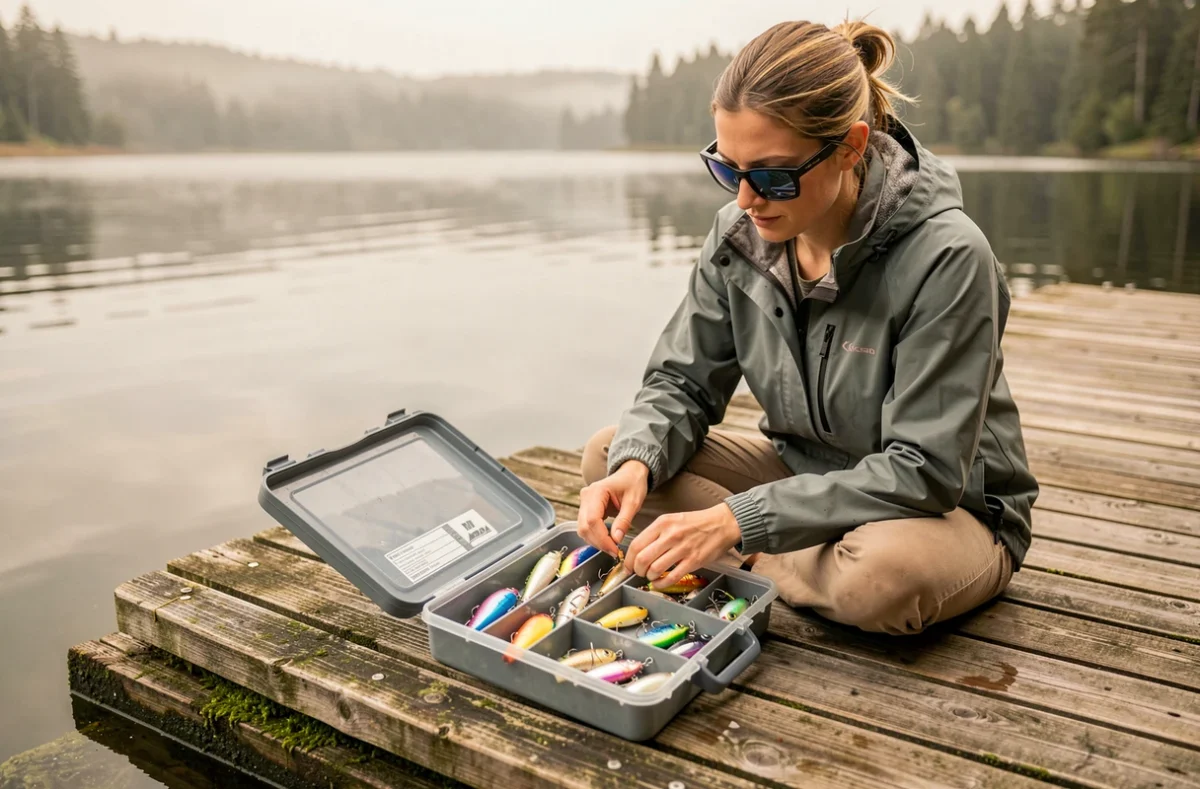
Discipline comparison: equipment, budget, and regulations
The five main disciplines of sport fishing do not impose the same constraints. The table below summarizes the differences across three concrete criteria.
| Discipline | Basic Equipment | Level of Regulation | Relative Entry Cost |
|---|---|---|---|
| Predatory fish with lures (pike, zander, perch) | Spinning or casting rod, reel, soft and hard lures, jig | Fishing license required, minimum sizes per species | Moderate |
| Fly fishing (trout, grayling) | Fly rod, line, leader, artificial flies | Fishing license, frequent no-kill waters | Moderate to high |
| Carp fishing | Long rods, bite alarms, rod pod, boilies | Fishing license, night sessions subject to local authorization | High |
| Match fishing (freshwater) | Telescopic rod, float, bait | Fishing license | Low |
| Sea fishing (bluefin tuna, bass) | Trolling or bait rod, sturdy reel, lures or natural baits | RecFishing registration planned for 2026, marking ring for bluefin tuna, quotas and specific periods | High |
The starkest contrast appears between match fishing, accessible with a limited budget and simple regulations, and sea fishing targeting bluefin tuna, where reporting obligations and equipment increase costs.
RecFishing app and reporting obligations at sea: what changes in 2026
Starting in 2026, the registration of recreational fishermen at sea and the reporting of certain catches of sensitive species via the RecFishing app is planned for the affected areas. This system does not constitute a general permit but makes recreational sea fishing more traceable.
For bluefin tuna, the 2026 regulations distinguish between catch-and-release and conservation. Conservation is subject to a specific period, a marking ring, and reporting obligations. Changing fishing zones can immediately alter the applicable rules.
In freshwater, the fishing license remains the reference document. Its mandatory nature applies to all practitioners, regardless of age or frequency of outings.
Three points to check before each sea outing
- The fishing maritime area: size, quota, and period rules vary from one zone to another, even for the same species.
- Registration on RecFishing if required by the area: failure to register can lead to penalties distinct from those related to catches.
- Marking equipment for species subject to rings (notably bluefin tuna): without a ring, the conservation of the fish is prohibited even during the open season.
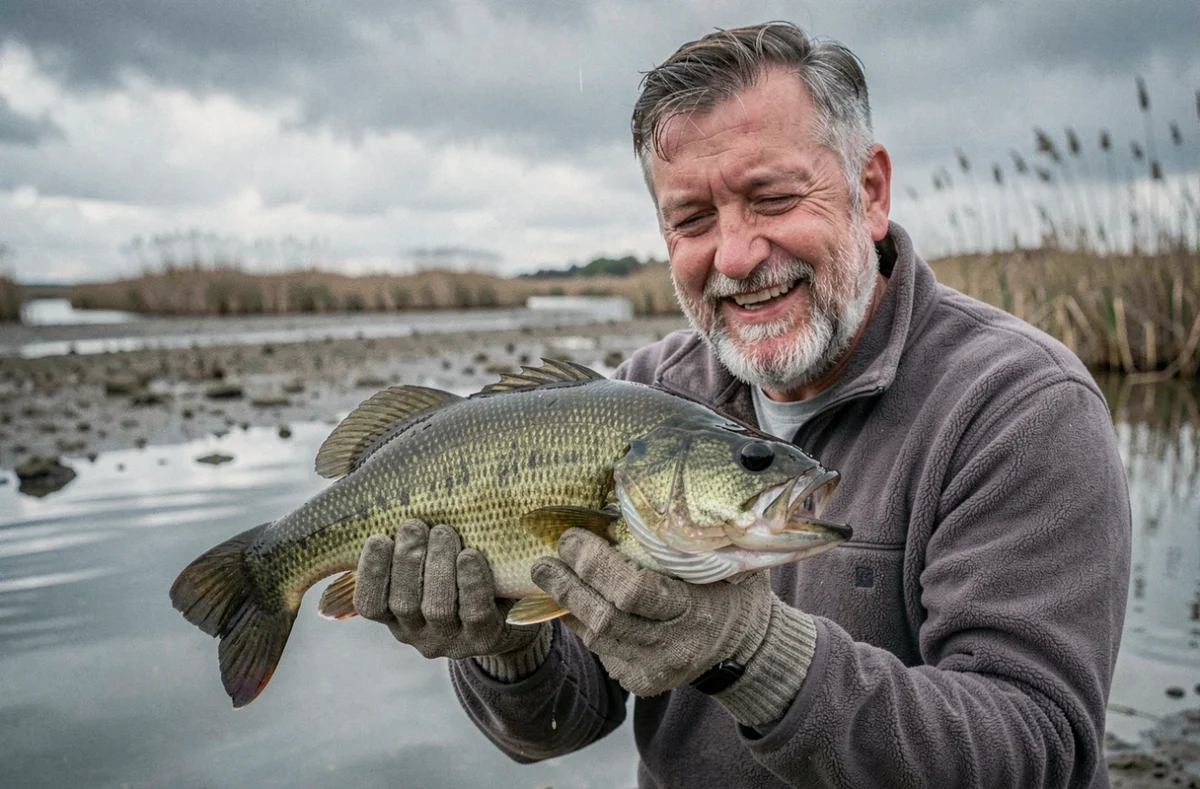
Profile of sport fishermen: a generational renewal underway
The image of an activity reserved for retirees no longer reflects the reality on the ground. The rejuvenation of the audience changes expectations regarding equipment and technique.
Younger practitioners are increasingly turning to lure fishing and urban street fishing, two approaches that require compact gear (short rod, small reel, a few lures). In contrast, carp fishing during long sessions retains a more experienced audience, with a significantly higher equipment investment.
The 2026 Fishing Observatory also surveys practitioners about a potential ban on lead in weights and accessories. Alternatives (tungsten, steel, bismuth) exist but are more expensive. This replacement issue could impact the budget of match fishermen and carp anglers, who use lead in large quantities.
Spinning or casting reel: selection criteria for lure fishing
The choice between a spinning reel and a casting reel determines the casting technique and the type of lure that can be used. Spinning is suitable for light lures (jig, lightweight soft lure) and forgives casting errors. Casting offers better precision on heavier lures and superior control during retrieval.
The quality of the rod blank is as important as that of the reel. A blank that is too stiff combined with a casting reel makes casting uncomfortable with intermediate weight lures. The right rod-reel combination is defined by the coherence between the power of the blank, the weight of the lure used, and the size of the reel.
- Spinning: versatile, suitable for beginners and lightweight lures, easy maintenance.
- Casting: increased precision, better drag control, steeper learning curve.
- Budget is not always a discriminating factor: entry-level reels from Daiwa or other recognized manufacturers offer decent performance for starting in both techniques.
The often-overlooked parameter remains the reel’s retrieval ratio. A high ratio is suitable for fast fishing (surface lures, jerkbait), while a low ratio favors power when fighting a heavy fish like pike or catfish.
Sport fishing is structured around material and regulatory choices that differ radically from one discipline to another. The entry cost, legal obligations, and technicality of the gesture do not operate on the same scale between a match fishing session in a pond and a bluefin tuna outing offshore. Identifying one’s target discipline before purchasing remains the decision that conditions all subsequent ones.