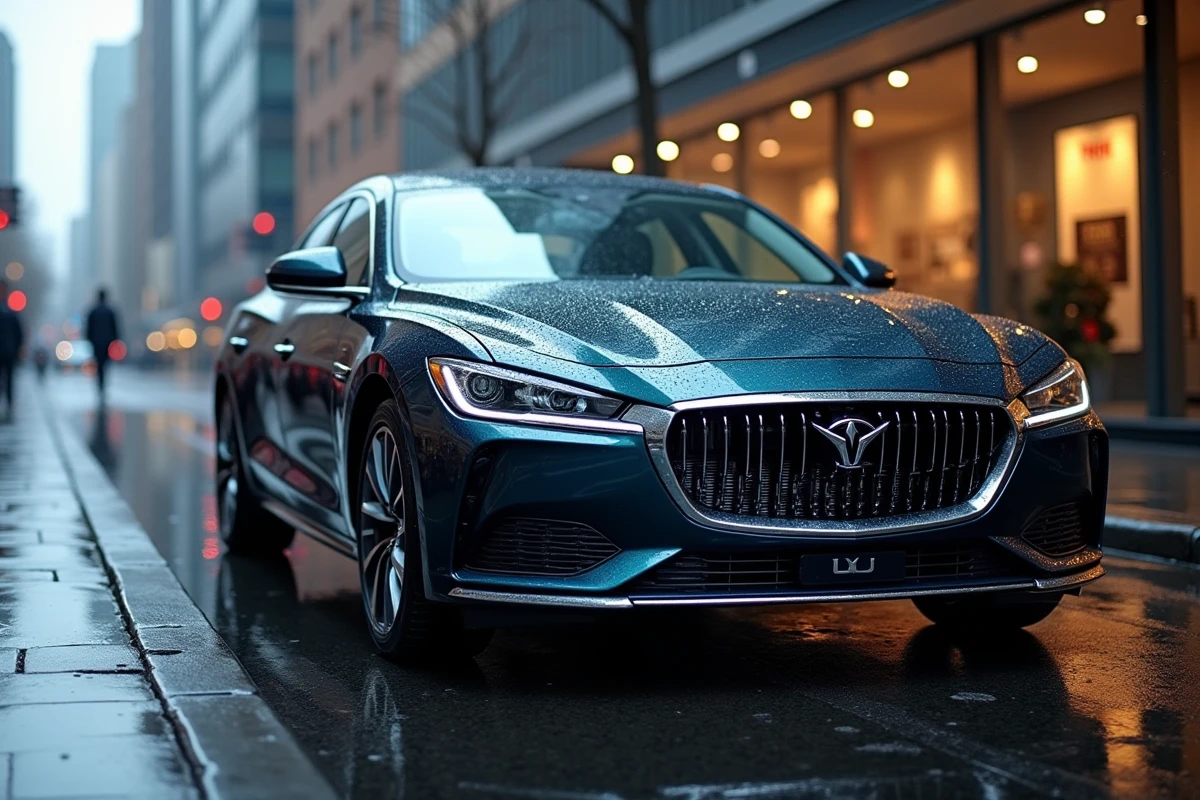
Between the strategic shifts of manufacturers regarding electric vehicles, the emergence of paid software features after purchase, and the tightening of European regulations, the automotive sector is undergoing a rapid restructuring phase. What indicators can measure these movements and draw concrete lessons for buyers?
Automotive Software Subscriptions: What Manufacturers Charge After Purchase
A recent phenomenon is changing the relationship between owner and vehicle: the sale of remotely activatable features, for a subscription or a one-time payment post-purchase. Heated seats, additional engine power, advanced driving aids—these features physically exist in the car but remain locked by software until the customer pays.
BMW has reversed its decision on heated seat subscriptions after a massive rejection from its customers. In contrast, Mercedes and Tesla continue to experiment with so-called “feature-on-demand” models. Automotive news surrounding these practices is closely monitored on specialized sites, as can be seen on the page: https://www.moteurmag.com/, which regularly reports on the sector’s developments.
The McKinsey firm, in its report “Software-defined vehicles” published in 2023, identifies this trend as a structural change in the manufacturers’ business model. The notion of vehicle ownership is being redefined when features that are physically present are only accessible by paying a recurring fee.
| Manufacturer | Software Approach | Current Status |
|---|---|---|
| BMW | Heated seats by subscription | Abandoned after customer rejection |
| Mercedes | Feature-on-demand (driving aids, power) | Ongoing experimentation |
| Tesla | Software unlocking (range, Autopilot) | Active in several markets |
This table summarizes the three most documented trajectories. The gap between BMW (withdrawal) and Tesla (maintenance) illustrates the diversity of responses to the same question: Is a customer willing to pay to activate what their car already contains?
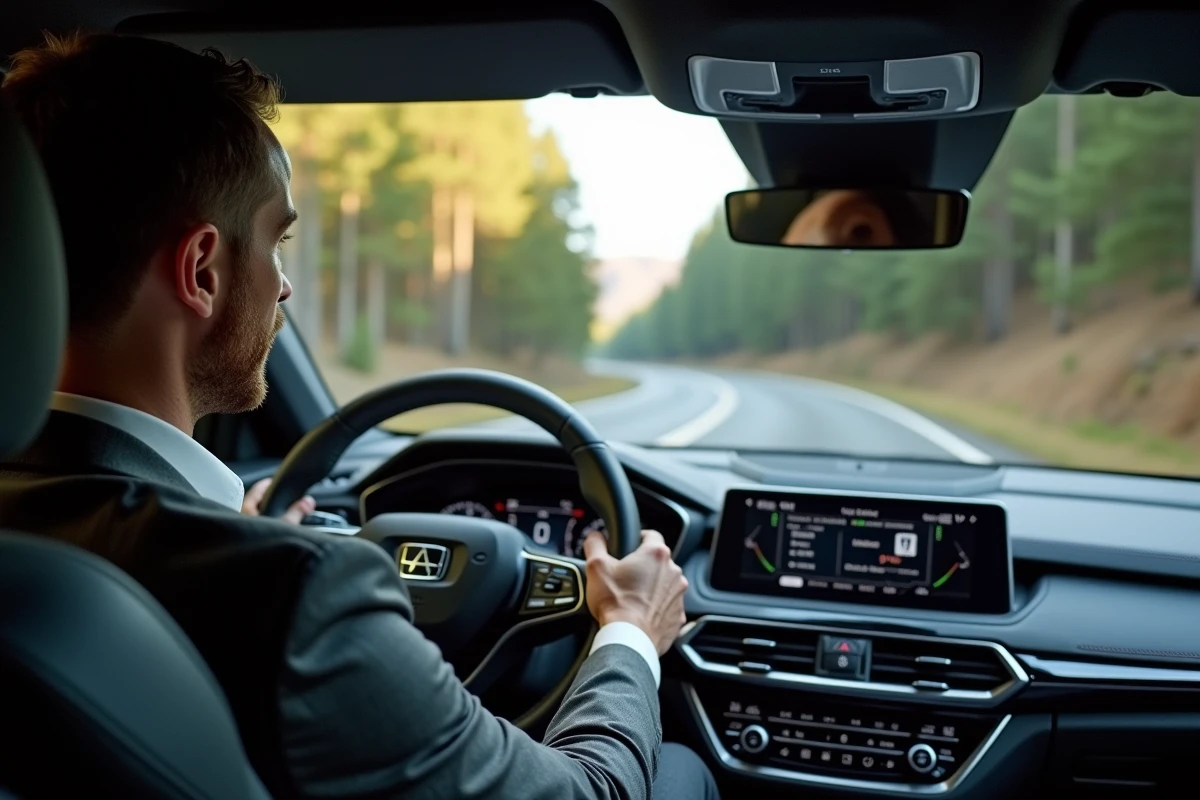
Electric Strategy in Europe: Manufacturers’ Retreat in the Face of Real Demand
Several major groups have revised their transition timeline to fully electric vehicles. Stellantis, Renault, and Volkswagen have slowed down some 100% electric launches in favor of hybrid powertrains or optimized gasoline versions. The reason is documented in the 2023-2024 financial results of these groups: demand for electric vehicles remains below initial projections.
Carlos Tavares (Stellantis) and Luca de Meo (Renault) have publicly emphasized the need to offer affordable electric cars rather than focusing the ranges on premium models. This repositioning reflects a market reality: individual buyers remain sensitive to purchase price, usage costs, and real range.
Hybrid or Electric: What Sales Figures Reveal
The recalibration does not mean an abandonment of electric vehicles. It marks an adjustment in pace. Plug-in hybrid SUVs are gaining ground in European catalogs because they meet a dual need: to comply with regulatory emission thresholds while offering versatility that 100% electric options do not yet cover for all usage profiles.
- Renault is focusing on electric vehicles positioned below the psychological barrier of premium models, using shared platforms to reduce costs
- Stellantis maintains efficient thermal powertrains alongside its electric launches to cover markets where charging infrastructure remains lacking
- Volkswagen is delaying certain 100% battery models and strengthening its hybrid offering, particularly in the compact SUV segment
The European automotive market is not transitioning to electric in a linear fashion. The transition resembles a step-by-step progression, dictated by battery prices, the density of the charging network, and household budgetary decisions.
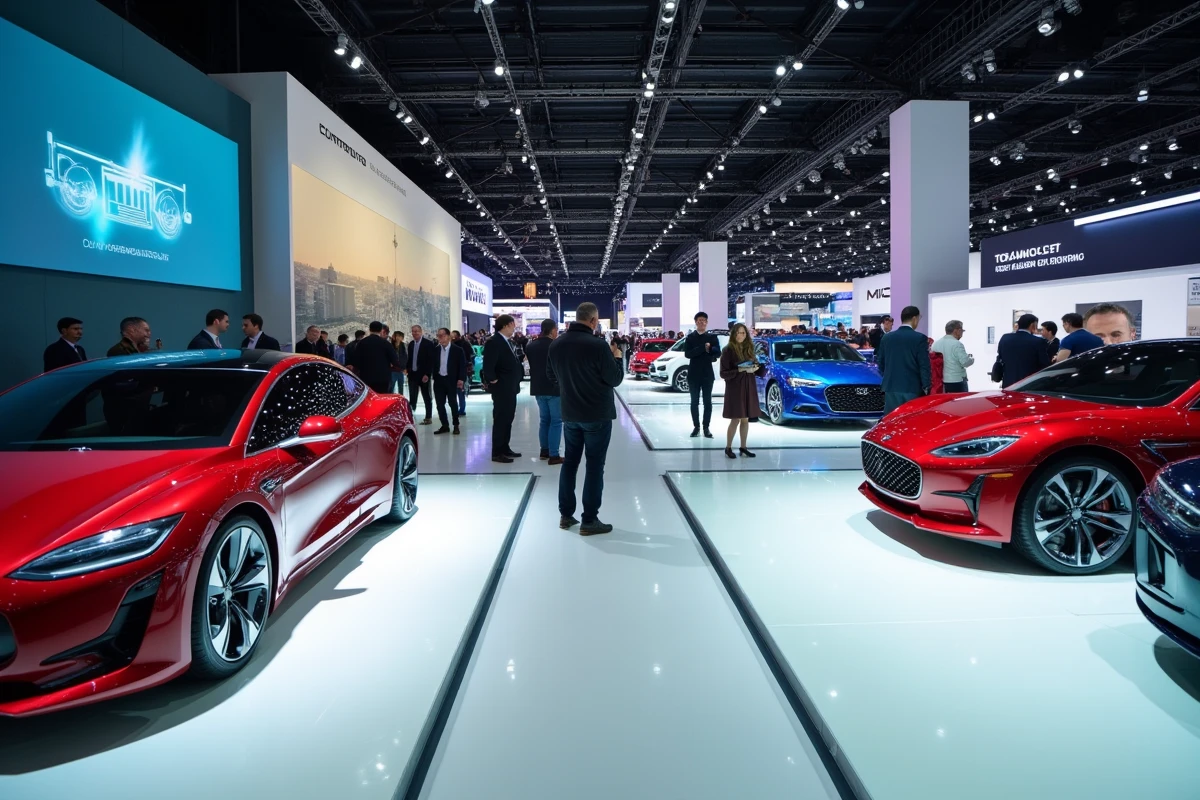
European Standards and Automotive Tax: The Regulatory Stranglehold on Choices
Every year, Brussels tightens the requirements for CO2 emissions and onboard safety. Manufacturers must integrate costly technologies (autonomous emergency braking, intelligent speed limiters, black boxes) to obtain approval for their new models.
On the tax side, the French ecological tax increasingly penalizes high-emission vehicles. The test of the Mercedes-AMG GLC 53 4Matic illustrates this tension: with its 449 hp and a tax penalty that can reach discouraging levels, this type of sporty SUV finds itself in a narrow fiscal niche.
Regulation and Ranges: A Forced Sorting of Catalogs
The tightening of regulations is pushing brands to streamline their ranges. Some six or eight-cylinder powertrains are disappearing not due to lack of demand, but because the cost of compliance exceeds the model’s profitability. Ford, Renault, and BMW are adapting their European catalogs by removing thermal variants where volumes no longer justify the technical investment.
- SUVs represent an increasing share of sales, but their high mass exposes them more to tax thresholds
- Electric city cars (like the MG4 Urban priced under 20,000 euros) attract customers sensitive to the price-equipment ratio
- Ferrari, with its first electric model Luce, is testing the receptiveness of the ultra-premium segment to the energy transition
Regulatory pressure acts as a filter: only models with a viable economic equation survive in the catalogs. Brands that anticipate this sorting by diversifying their powertrains (hybrid, electric, optimized gasoline) maintain a broader margin of maneuver than those that have bet exclusively on one technology.
The automotive sector is no longer just a race for power or design. Sales data, regulatory decisions, and customer reactions to new business models (software subscriptions, feature-on-demand) are shaping a landscape where the ability to adapt takes precedence over mere technological innovation.